


Published on
A delegation from the Bahraini Ministry of Health visited the United Kingdom to learn about the "British Genome" project and explore opportunities for training and scientific research.
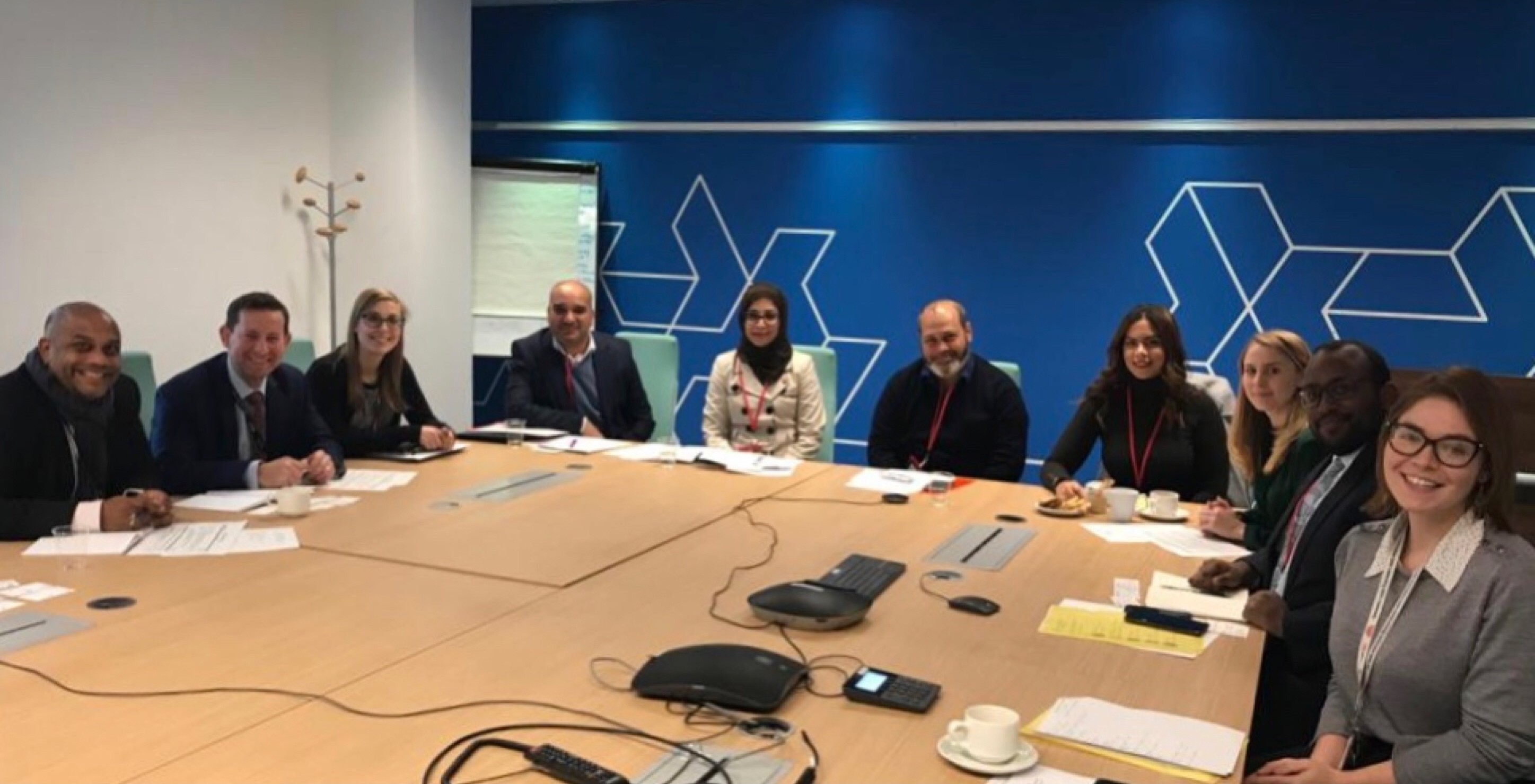
The National Genome Project team at the Ministry of Health visited the United Kingdom to closely examine the pioneering British experience in the field of genomics, in order to benefit from the global expertise for Bahrain's National Genome Center. This visit comes within the context of the government's support for innovative health sciences focused on the only radical treatment for genetic diseases facing Bahraini society, stemming from its keenness to raise the quality of health services and prevent diseases, particularly genetic, intractable, and fatal diseases, while adopting the latest innovative scientific methods.
The delegation visited Queen Mary University, where they were received by specialized professors in genome sciences who were part of the administrative teams of the Genomics England Project. The most notable achievements of the project, along with its obstacles and challenges, were discussed. The visit also included a review of shared interests in scientific research and the training opportunities available for Bahrainis to engage in the field of genome studies and applications.
The delegation, which included Dr. Amani Al-Hajeri, Director of the Genome Project; Dr. Nabeel Al-Momen, Head of Genome Laboratories at the National Genome Center; and Mr. Aref Al-Mukhtar, Senior Computer Analyst, expressed their gratitude to the organizing entities, namely the British Embassy, the Science and Innovation Network, and the Department for International Trade, for organizing the visit. This visit is expected to deepen the strong relationship between the two countries and develop healthcare services through the adoption of the latest modern technologies in disease detection, diagnosis, treatment, and prevention.
It is worth noting that the National Genome Center contributes to the prevention of genetic diseases and the development of effective medications to treat them, helping to provide a healthy life and disease prevention for current and future generations. The center aims to collect 50,000 samples within 5 years and establish a comprehensive national database, with the goal of improving quality and continuing to adopt modern health technologies that will help in diagnosis and the development of innovative solutions for citizens.