


Published on
Dr. Amani Al-Hajeri confirmed significant progress in the National Genome Project, with 6,170 samples collected and an agreement signed with Harvard University.
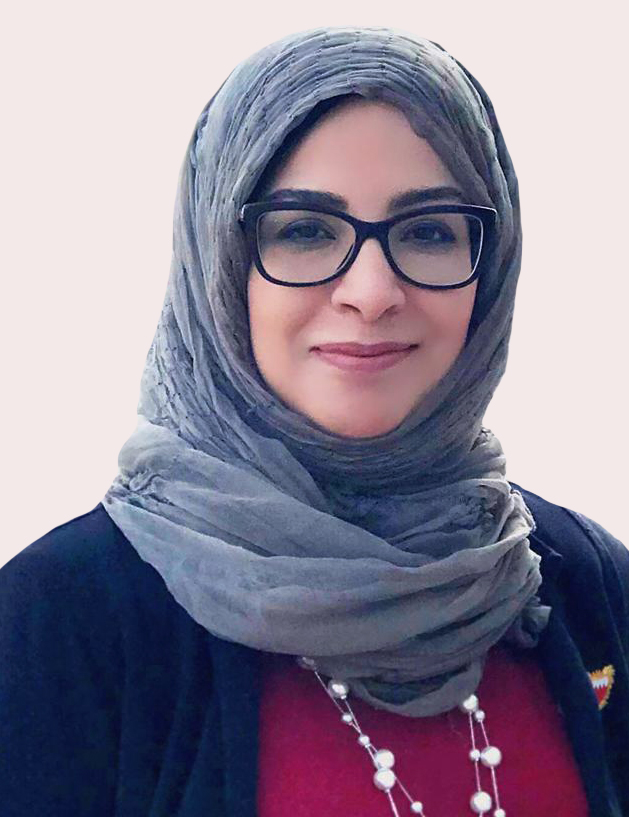
Dr. Amani Al-Hajeri, Director of the National Genome Project, stated that the launch of the project is one of the achievements realized by the Kingdom of Bahrain in its efforts to develop healthcare services in the Kingdom of Bahrain.
The Director of the National Genome Project explained that since the center's opening in 2019, significant progress has been made in the implementation stages of the project, with work proceeding at full pace. This will contribute to the prevention of genetic diseases and the development of effective medications to treat them, helping to ensure a healthy life and disease prevention for current and future generations.
She affirmed the implementation of the royal directives emphasized by His Royal Highness Prince Salman bin Hamad Al Khalifa, the Crown Prince and Prime Minister, to the sectors and programs with the aim of increasing the pace of progress in them, reflecting further developmental achievements for the Kingdom and its citizens, as well as the recommendations regarding the "Bahrain Genome," through which this pioneering project aims to collect 50,000 samples over 5 years and establish a comprehensive national database. This aims to improve quality and continue adopting modern technologies in healthcare, which will help with diagnosis and the development of innovative solutions for citizens.
She emphasized the commitment to providing government services to citizens with the highest quality, along with continuous development and modernization, in pursuit of excellence, thereby enhancing citizens' trust in health services. She revealed that the steps to establish the Genome Analysis Unit began in 2018, as part of the wise government's support for innovative health sciences focused on the radical treatment of genetic diseases facing Bahraini society. Given the government's keenness to raise the quality of health services and prevent diseases, particularly hereditary, intractable, and fatal diseases, and by adopting the latest innovative scientific methods, the idea of establishing a specialized center for gene analysis was born. She noted that the Ministry of Health took the necessary steps and measures to establish the center, with actual steps beginning in establishing the biobank for storing biological samples, such as DNA and tissues, for future study purposes. This is located at the Salmaniya Medical Complex, affiliated with the Ministry of Health, to become a leading center in the region in providing an interactive platform for supplying the samples needed to conduct studies and research.
It is worth noting that the genome laboratory building consists of 3 main sections within the laboratory: the Genome Section ("Biobank"), which receives samples from participants across the Kingdom of Bahrain and then extracts genetic material, having obtained more than 6,170 samples ready for analysis; the Molecular Genetics Section, for analyzing diseases at the molecular level; and the third section, "Cytogenetics," which is concerned with the various chromosomes to determine their number, shape, and any structural abnormalities.
In addition, the Ministry of Health recently signed a cooperation agreement with Harvard University following the latter's success in winning the tender for the first phase of the National Genome Project. Harvard University is one of the most prestigious global universities and a leader in medical sciences and genomics in particular. The university, in collaboration with the Broad Institute in Boston, Massachusetts, will provide integrated services for sequencing 6,000 DNA samples belonging to Bahraini citizens, including approximately 2,000 samples from individuals suffering from undiagnosed genetic diseases and their relatives, while 4,000 samples represent a segment of healthy citizens and those with other chronic diseases.
In addition to the service of diagnosing genetic diseases through genome sequencing, both parties will work on establishing the center's infrastructure and preparing qualified human resources to implement the upcoming stages of the project in Bahrain, instead of sending samples abroad.
This project is expected to establish a database for citizens in the Kingdom of Bahrain, which will serve as a rich reference and a fundamental pillar for researchers and scientists in studying genetic variations and population structure, predicting diseases and pandemics, and even contributing to the development of diagnostic and therapeutic tools for a wide range of diseases that may currently seem intractable, but with scientific progress, will become easier to understand and eliminate.
Dr. Al-Hajeri explained that to participate in the Genome Project by donating blood samples for genetic study, or in case of any questions or inquiries, one can call 32223700 or 32223800, or send an email to